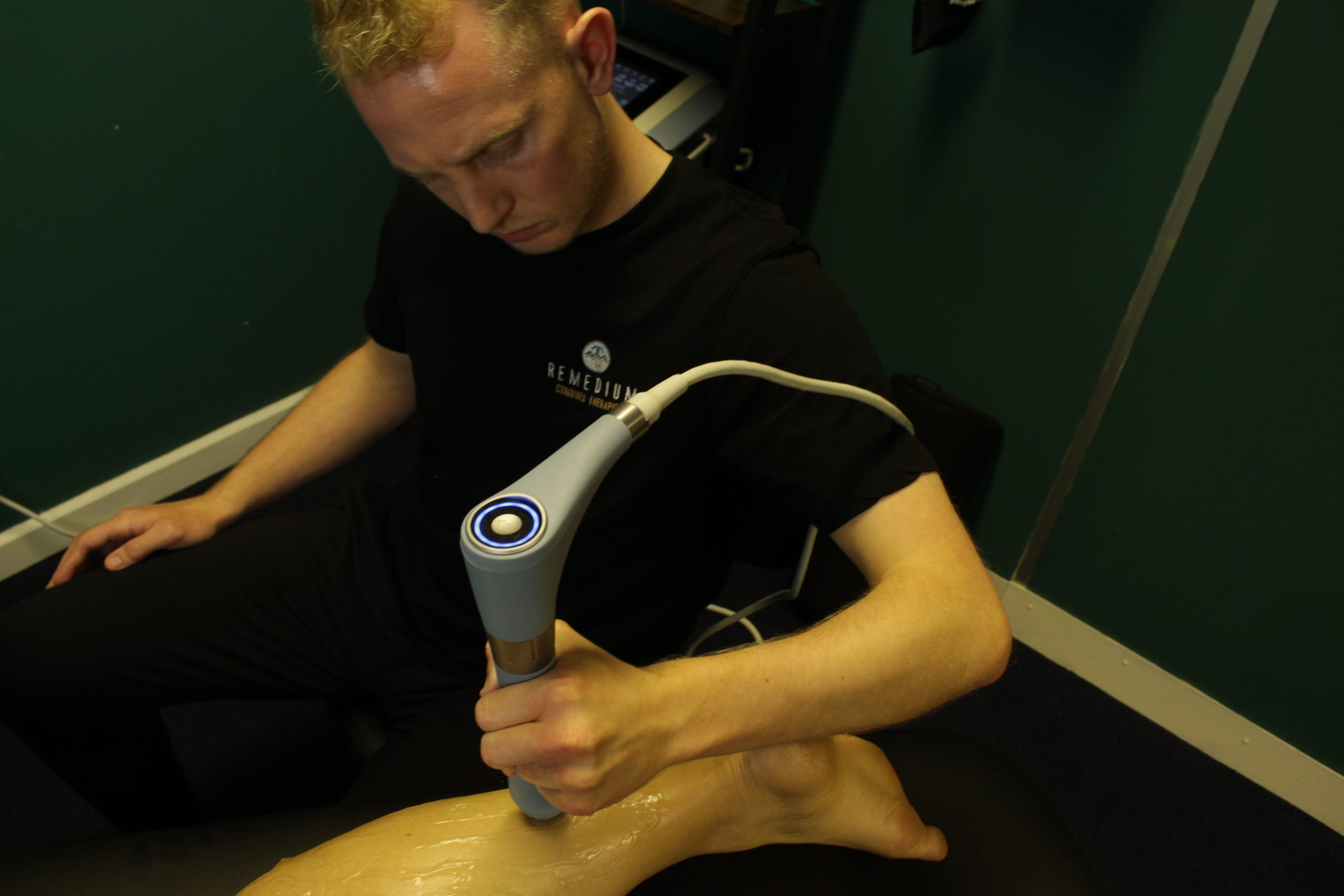
Spinal conditions can affect the way you move, causing pain, stiffness and reduced mobility. Some develop gradually through age-related changes, while others are linked to injury, posture or underlying health conditions.
At Remedium Wellness, we provide thorough assessments, hands-on treatment and personalised rehabilitation to help manage your symptoms and improve your quality of life.
Where appropriate, we’ll also work alongside your GP or consultant to ensure you receive the right care.
or Call Us On 01905 905660
or Call Us On 01905 905660
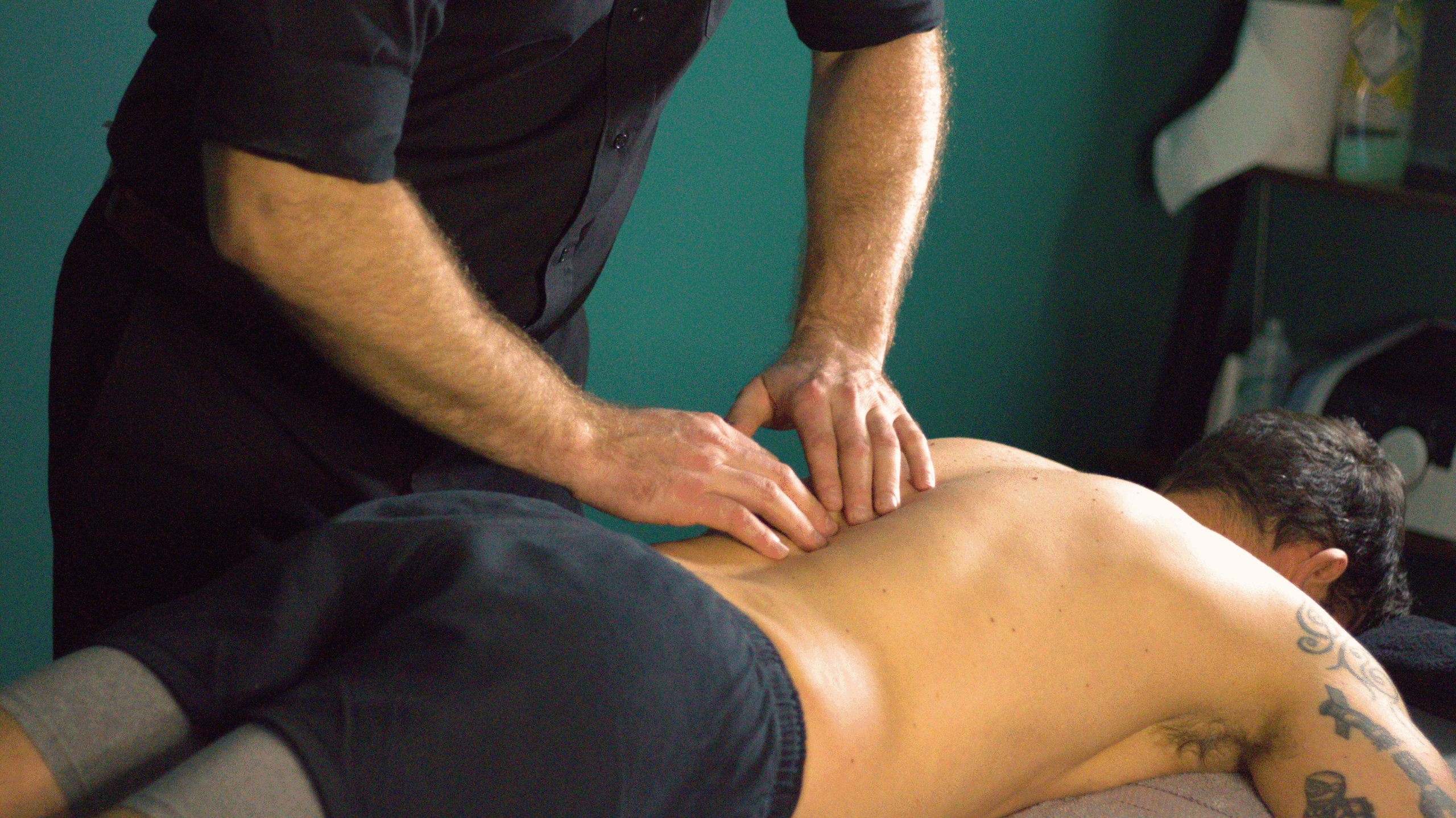

We are glad to be the leading Osteopathy & Wellness clinic throughout Worcester and London
Every spinal condition affects the body differently. Our assessments help us understand the cause of your symptoms so we can provide the most appropriate treatment, rehabilitation or referral where needed.
As we get older, natural changes can occur within the spine. Conditions such as spondylosis and spinal degeneration may lead to stiffness, discomfort and reduced flexibility.
Common symptoms:
Conditions including scoliosis, kyphosis and spondylolisthesis affect the alignment of the spine and can place additional strain on muscles, joints and surrounding tissues.
Common symptoms:
Spinal stenosis occurs when the spaces within the spine narrow, which can place pressure on nearby nerves. Symptoms often develop gradually and may affect walking or standing.
Common signs:
Some spinal conditions require ongoing medical management alongside physical therapy. This includes ankylosing spondylitis, which we co-manage with your healthcare team, and osteoporotic compression fractures, where assessment and referral may be required.
Common symptoms:
If you’ve had spinal surgery or have been living with long-term spinal pain, rehabilitation can help improve movement, strength and confidence while supporting your recovery.
Common symptoms:
Treatment begins with a detailed assessment of your symptoms, medical history and movement.
We’ll identify the factors contributing to your condition and create a personalised treatment plan that may include osteopathy, rehabilitation exercises, movement advice and ongoing support.
If your condition requires additional medical care, we’ll work alongside your GP or specialist to ensure you receive the most appropriate treatment.
At Remedium Wellness, we look beyond your diagnosis to understand how your spinal condition is affecting the way you move.
By combining expert osteopathic treatment with evidence-based rehabilitation and movement education, we aim to reduce pain, improve mobility and help you maintain your independence.
Whether you’re managing age-related spinal changes, recovering from surgery or living with a long-term spinal condition, we’ll support you every step of the way.
To maximise healing benefits, Remedium also provides the following treatments to go alongside Osteopathy:
Osteopathy may help manage symptoms associated with spinal stenosis and spondylosis by improving joint mobility, reducing muscle tension and helping you move more comfortably. While these age-related spinal conditions can’t be reversed, treatment can support better function and improve your quality of life.
Yes. Although osteopathy cannot correct the shape of the spine, it can help improve mobility, reduce muscular tension and manage discomfort associated with scoliosis and kyphosis. Your treatment plan may also include rehabilitation exercises to improve strength and posture.
Yes. We provide tailored rehabilitation exercises based on your diagnosis and symptoms. These are designed to improve spinal mobility, increase strength, support posture and help you manage your condition between appointments.
We can help manage symptoms associated with ankylosing spondylitis alongside your GP or specialist as part of a shared care approach. If we suspect an osteoporotic compression fracture or another condition requiring medical investigation, we’ll refer you to the appropriate healthcare professional before beginning treatment.
Your first appointment includes a detailed assessment to understand your symptoms, medical history and diagnosis. If osteopathy is appropriate, we’ll create a personalised treatment plan. If we believe another form of care or further investigations are needed, we’ll explain your options and help you access the right support.
Yes. Once you’ve been medically cleared by your consultant or surgeon, we can provide personalised rehabilitation to help restore movement, rebuild strength and improve confidence during your recovery.